
UpTrajectory Review
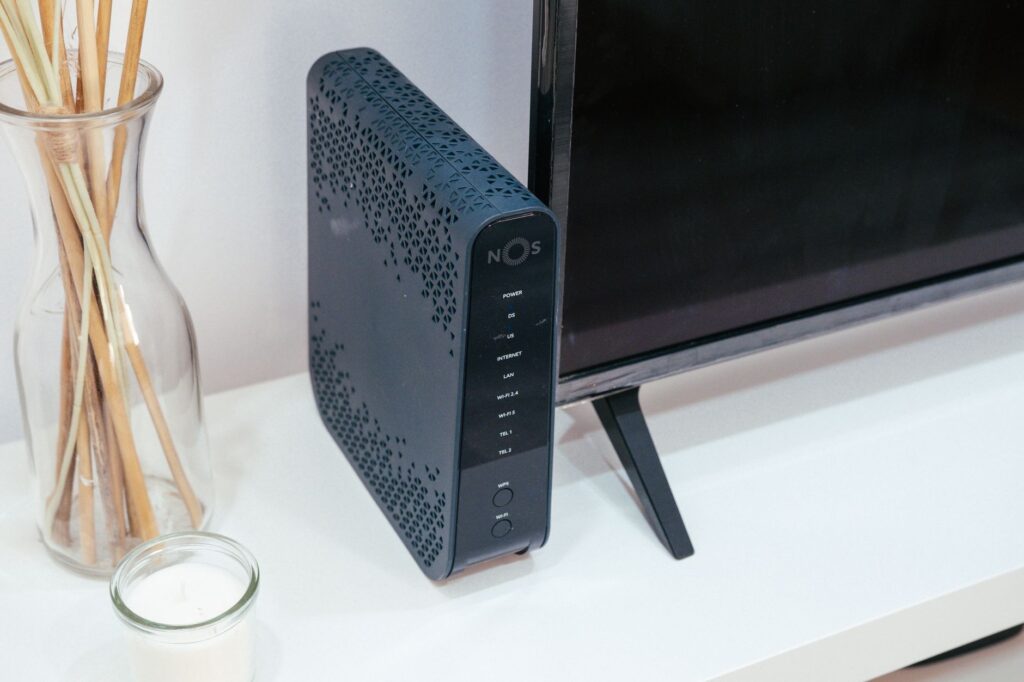
Engadget's piece tackles a basic but genuinely consequential distinction: the difference between a modem, a router, and a gateway. The modem connects your business to your internet service provider. The router distributes that connection to your devices, wired and wireless. A gateway does both jobs in a single box. The source text is thin, but the framing is clear — a gateway is convenient, while a separate modem and router combination offers more flexibility and power. That tradeoff is worth understanding before you sign a contract or replace aging hardware.
For a small business owner, this decision has real operational consequences. If you lease a gateway from your ISP, you are paying a monthly fee for hardware you do not control, and you are often locked into firmware updates and configuration limits the provider sets. If your internet goes down, troubleshooting is harder when one box handles everything. On the other hand, a gateway is simpler to set up and takes up less space, which matters if you run a lean operation without an IT person on call.
The genuinely useful point here is the argument that a separate modem and router gives you more flexibility and power. We agree with that. A standalone router lets you choose your own hardware, upgrade Wi-Fi standards on your own schedule, configure advanced features like VLANs or guest networks, and switch ISPs without replacing your entire setup. The gateway route trades that control for convenience, and for many businesses the convenience is not worth the long-term cost and constraint.
There is also a cost dimension the source does not spell out but that every operator should run the numbers on. Leasing a gateway from your ISP typically runs 10 to 15 dollars a month, which adds up to well over a hundred dollars a year. Buying your own modem and router upfront costs more initially but pays for itself within a year or two, and you keep the hardware as long as it serves your needs. That math alone makes the case for separate equipment compelling for any business planning to stay in one location.
Our advice: if you are signing a new service agreement or upgrading your connection, ask your ISP whether they support customer-owned modems, and check their compatibility list before you buy. If you already lease a gateway, look at your bill and calculate what you have paid in rental fees over the past two years. That number will tell you whether the convenience was worth it. Watch for Wi-Fi 7 routers hitting mainstream price points this year, which makes now a reasonable time to plan an upgrade on your own terms.
“A gateway pulls double duty, but a modem and router combo can give you a lot more flexibility and power.” — Engadget
Takeaway: Buy your own modem and router instead of leasing a gateway — the upfront cost beats years of rental fees and gives you full control.
Excerpt from the original — Engadget
A gateway pulls double duty, but a modem and router combo can give you a lot more flexibility and power.