
UpTrajectory Review
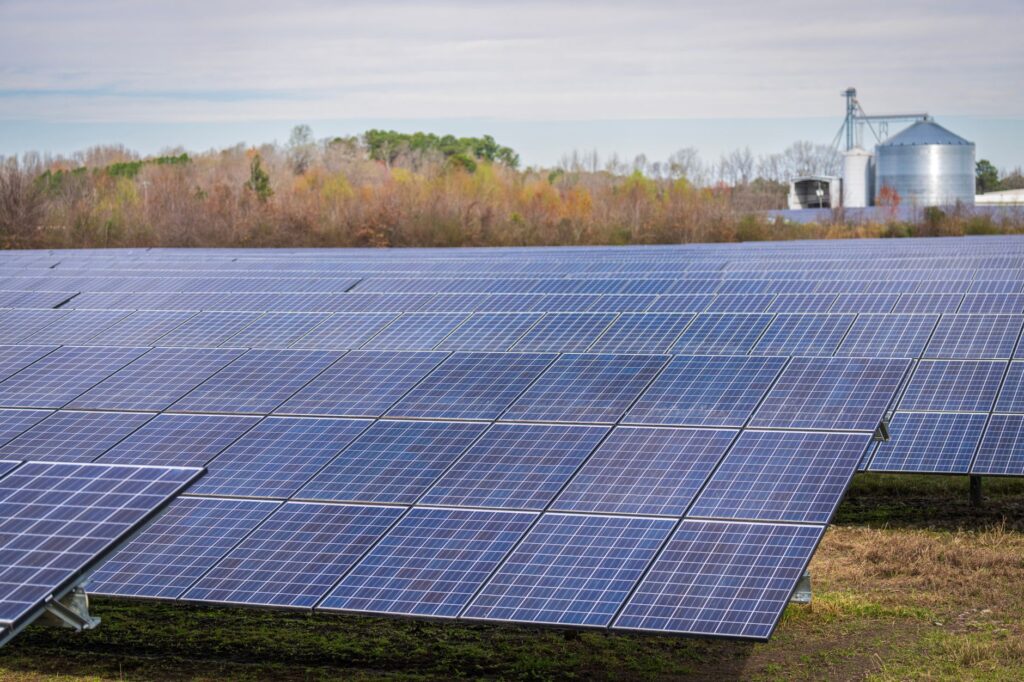
Solar panels in the United States generated more electricity than coal-fired plants over a sustained period this spring, according to Guardian reporting flagged on Hacker News. The item carries little detail in its listing, but the milestone itself is unambiguous: a fuel source that supplied roughly half the nation's power a generation ago now trails a technology that was marginal fifteen years ago. The crossover reflects years of falling panel costs, rapid utility-scale construction in the Southwest and Texas, and coal retirements that utilities scheduled long before the current policy fights. Coal plants did not vanish; they ran less often, squeezed by cheap solar during daylight hours and by gas plants that fill the evening gap.
For a small-business operator, the practical shift is in the price and structure of electricity, not in the headline. Commercial customers in deregulated states already buy power through brokers or direct contracts, and solar's rise has flattened midday wholesale prices while leaving evening rates exposed. If your operation runs refrigeration, manufacturing, or server loads on a predictable schedule, the spread between noon and 6 p.m. pricing now rewards load-shifting. Businesses with roof space or parking canopies face a simpler calculation than they did five years ago: third-party solar leases and community-solar subscriptions have lowered the upfront cost, though interconnection queues in some regions still stretch past a year.
What the milestone obscures is the grid's remaining dependence on coal during the hours that matter most. Solar output collapses after sunset, and the plants that retired were often the ones running around the clock. The Guardian piece likely treats the crossover as a clean triumph; the harder story is that coal generation has become a peaking and bridging resource, called on during winter storms and heat waves when solar contributes little. That pattern keeps coal economics alive in ways a monthly generation tally misses, and it explains why some utilities delay final shutdown dates even as their coal output falls.
The uneven effects deserve attention. Data centers and manufacturers in the Southeast still draw power from coal-heavy grids, so their reported emissions fall more slowly than their California or Texas peers. Rural cooperatives face stranded-asset risk where coal plants serve as tax bases and employers; those costs flow into rate cases that small businesses pay. Conversely, installers, electricians, and roofing contractors in high-growth solar states face labor shortages and permitting backlogs, which raise project prices even as panel costs fall. The transition creates work, but not evenly, and not always where the jobs lost were located.
Watch three developments over the next year. First, whether evening and capacity prices rise fast enough to slow the economic case for electrifying fleets and heating, since solar alone will not cover those loads. Second, how state regulators handle the cost of retiring coal plants; securitization deals can soften the blow, while delayed retirements can prolong it. Third, whether battery storage paired with solar begins to eat the evening peak, which would change the calculus for businesses considering backup power. An operator with stable daytime demand should request interval-meter data from the utility and model a solar subscription against actual usage before the next rate case resets the numbers.
Takeaway: Pull your utility's interval data, compare midday and evening rates, and model a solar subscription before the next rate case locks in higher evening prices.
Excerpt from the original — Hacker News (front page)
Article URL: https://www.theguardian.com/us-news/2026/jun/11/solar-energy-us-coal
Comments URL: https://news.ycombinator.com/item?id=48492306
Points: 184
# Comments: 52