
UpTrajectory Review
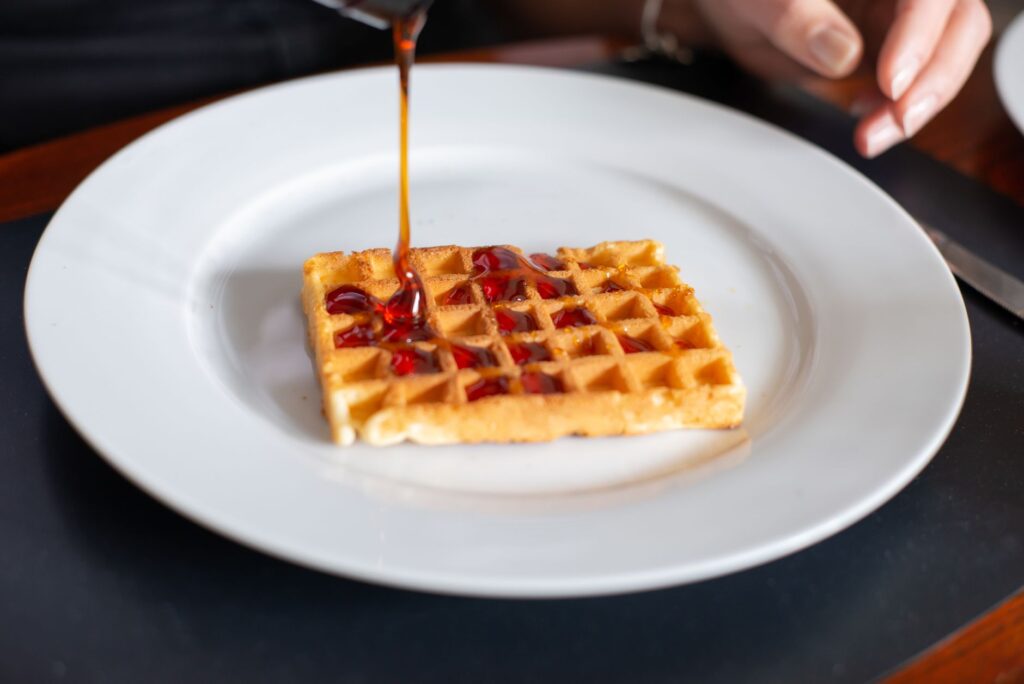
Sweet Chick is done. The Brooklyn fast-casual chicken chain, which rapper Nas helped back, announced on Instagram that it has closed every location after fourteen years in business. The chain built its name on chicken and waffles and rode a wave of celebrity-backed, comfort-food fast casual that defined much of the 2010s dining scene in New York and beyond. The announcement came without warning, leaving fans and likely some employees to learn the news through a social media post. That is a quiet end for a brand that once symbolized the crossover between hip-hop culture and the city's restaurant economy.
For small-business operators, this closure carries a hard lesson. Sweet Chick did not fail because the food stopped being good or the concept lost its charm. It failed because the economics of running a brick-and-mortar restaurant in major cities have grown punishing. Rent, labor, insurance, and supply costs have climbed steadily, and fast-casual concepts that cannot scale efficiently or lock in prime real estate at favorable rates get squeezed from every side. Sweet Chick's model depended on foot traffic and a specific urban vibe. When the environment shifted, the brand could not adapt quickly enough.
What makes this story notable is not just the celebrity connection. Plenty of famous-backed restaurants open and close. The real story is the timing. Sweet Chick launched in 2013 and expanded during a period when fast casual felt like the safest bet in dining. Investors poured money into concepts that promised better food than fast food at prices below full-service restaurants. That window has narrowed. Consumers are pulling back on discretionary spending, and the middle ground Sweet Chick occupied has become the hardest place to survive. The chain's death is a data point in a broader correction.
The closure also highlights the risk of tying a brand's identity too closely to a single market's cultural moment. Sweet Chick thrived when Brooklyn was the center of a certain kind of cool. But restaurant trends move fast, and what feels essential in one year can feel dated five years later. Operators who build concepts around a specific aesthetic or cultural niche must plan for the day when the trend cycle turns. Diversifying the menu, the geography, or the revenue model is not optional. It is survival strategy.
Watch what happens next with the space Sweet Chick occupied and the employees it leaves behind. Prime Brooklyn and Manhattan restaurant locations do not stay empty long, but the concepts that replace Sweet Chick will likely look different. Expect smaller footprints, ghost kitchen components, or hybrid models that reduce overhead. If you operate a restaurant in a competitive urban market, study this closure closely. Ask whether your concept would survive the same pressures. If the answer is uncertain, now is the time to renegotiate your lease, trim your menu, and build takeout or catering revenue before the market forces your hand.
“The Brooklyn-based fast-casual chicken chain posted the news on Instagram that the brand is no more, after 14 years.” — Nation's Restaurant News
Takeaway: Celebrity backing and a strong concept cannot offset rising costs; audit your restaurant's economics now before market pressure forces a closure.
Excerpt from the original — Nation's Restaurant News
The Brooklyn-based fast-casual chicken chain posted the news on Instagram that the brand is no more, after 14 years.