
UpTrajectory Review
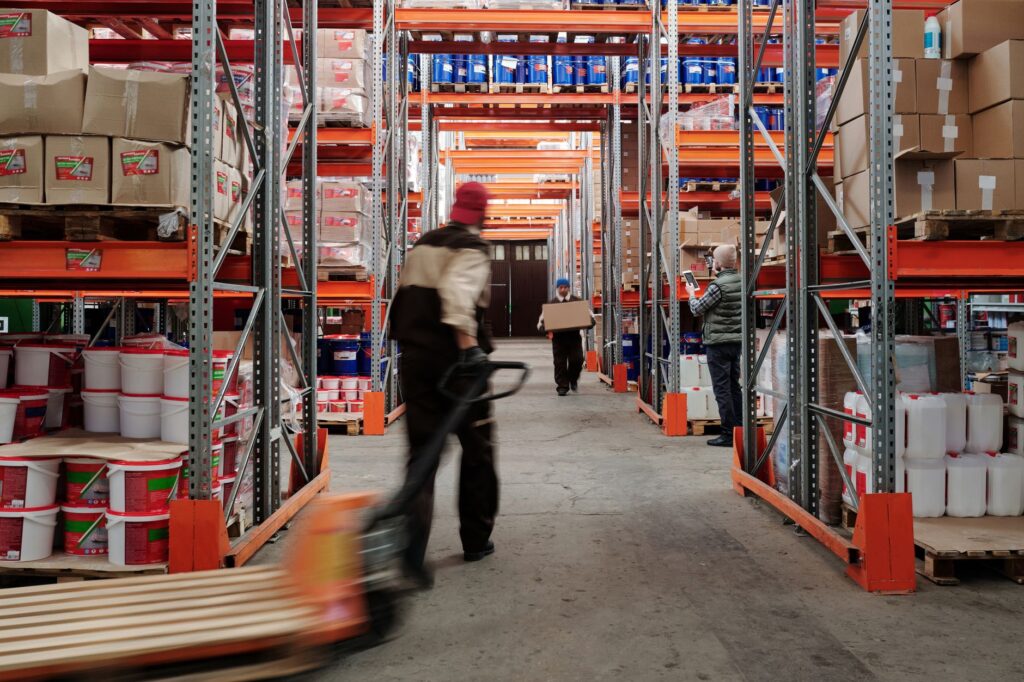
Target is pouring $367 million into a new food distribution center in Thornton, Colorado—a 529,000-square-foot facility designed to supply 129 stores across 11 states with fresh and frozen goods up to two days faster than its existing network. This is Target's largest food distribution center to date, and it signals a deliberate corporate bet that grocery shopping, not dining out, will remain the dominant mode of food consumption as inflation persists and household budgets tighten.
For a small-business operator in the grocery, prepared-foods, or restaurant sector, this move carries real competitive weight. Target is not a niche player; it reaches millions of households weekly, and faster inventory turns mean fresher produce, lower spoilage costs, and the ability to stock shelves aggressively during price-sensitive seasons. If Target can undercut independents and regional chains on freshness and availability while holding prices steady, market share shifts. Consumers already report cutting restaurant spending—66% of those expecting worse finances in 2026 are eating out less—and Target's supply-chain efficiency converts that behavior into loyalty.
What is genuinely new here is not Target's grocery presence, but the scale and speed of this infrastructure play. The company is not merely responding to inflation; it is betting it will last, and structuring supply chains accordingly. Two-day acceleration matters because it compounds: fresher produce costs less to mark down, shrink drops, and pricing power increases. The source notes that annual grocery inflation sits at 2.7% while restaurant food rose 3.5%—a gap that will only widen if Target can reliably stock cheaper, fresher alternatives. What remains under-reported is the labor and logistics advantage this creates: 380 new jobs in Colorado, but also the data and automation that a facility this size will embed.
The downstream effects ripple unevenly. Large retailers with scale will build similar centers; small grocers and specialty shops cannot. Independent restaurants lose customers not just to price, but to convenience and freshness. Suppliers who moved into premium or restaurant-focused channels face margin pressure as volume shifts to retail grocery. Regional distribution networks that served mid-market retailers may face consolidation pressure. And communities served by this center benefit from employment and fresher food access, but the economic logic favors continued centralization of supply chains.
If you operate in food retail, foodservice, or supply, monitor Target's inventory velocity and pricing over the next two quarters. If shelves stay fuller and prices stay competitive, that is proof the distribution bet is working—and your competitors will know it too. If you are a restaurant operator, this is a reminder that you cannot compete on price during inflation; differentiation on experience, speed, or specialization becomes mandatory. For grocery suppliers, clarify whether your margins can absorb faster turnover and lower markdown allowances; if not, renegotiate now.
“stores served by the center will receive stock up to two days faster than before, helping keep shelves full and products fresher.” — TheStreet
Takeaway: Target's distribution bet accelerates the shift from restaurants to grocery; competitors and suppliers must adapt or lose shelf space.
Excerpt from the original — TheStreet
Cooking at home is something many of us do not because we love tinkering in the kitchen, but because it's a heck of a lot cheaper to make food at home than to buy it from a restaurant. And these days, a lot of people are learning the hard way that it's time to get on board with meal prep and cooking. Inflation has been stubbornly elevated for years, and it recently began a surge in the wake of the Iran conflict.May's Consumer Price Index showed that annual inflation rose 4.2%, the highest level in three years. And while the cost of groceries rose 2.7% annually, the cost of restaurant food increased 3.5% year over year. This trend is forcing a lot of people to ditch restaurants, even if they'd prefer not to. A good 66% of Americans who expect their finances to get worse in 2026 are cutting back on dining out, according to a YouGov survey. And many consumers say they expect to spend more …