
UpTrajectory Review
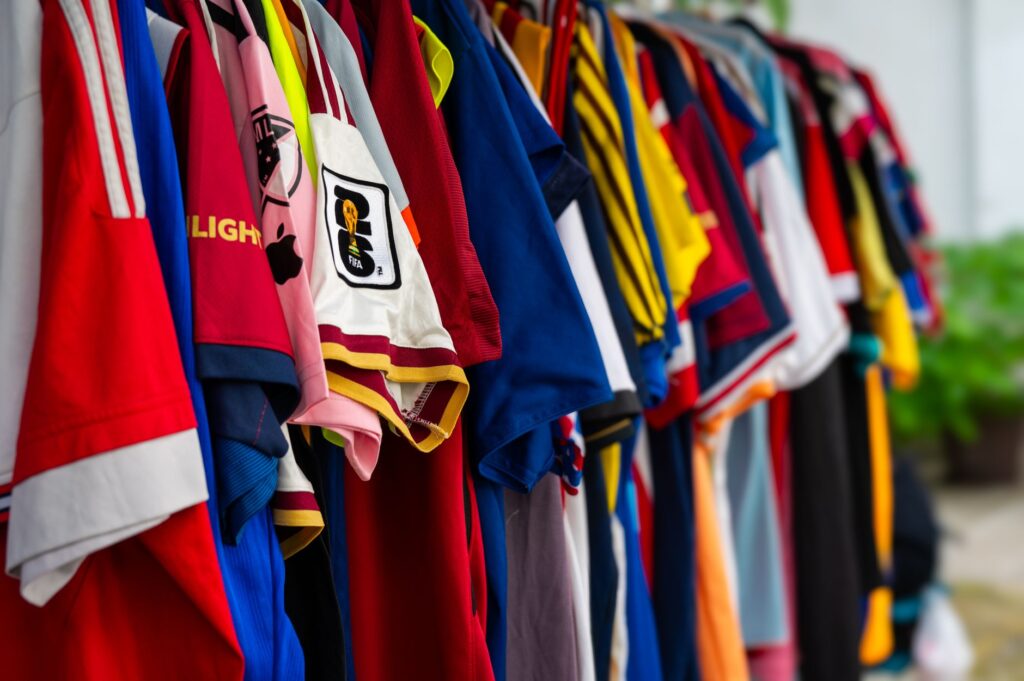
Eleri Williams began by selling her father's old football shirts and now runs her own shop. The BBC Business item offers few details, but the arc is clear: a teenager turned a home experiment into a physical retail space. That leap from online listing to lease signing is the hard part most young sellers never reach. Williams made it early, and the shop gives her brand a street address, a fitting room, and a till.
For a small-business operator, the story carries weight because it shows how little capital a first retail venture needs. Williams started with stock she already owned: her father's shirts. She tested demand, learned what buyers pay, and reinvested before she signed a lease. That sequence beats the common mistake of borrowing for inventory and fixtures first. Her path also shows how a niche – vintage football shirts – beats a general thrift rack. Collectors pay more for a 1990s club crest than for a generic jersey, and the niche draws repeat buyers who hunt for specific seasons.
The BBC piece likely covers her age, her stock, and her opening day. What it probably skips is the boring work that made the shop possible: sourcing shirts at car boot sales and online auctions, cleaning and listing each one, and building a following that justified the rent. That grind is the real lesson. Williams did not wait for permission or a business plan. She sold first and scaled second, a model any operator can copy in a weekend.
The story also under-reports the risk. A shop lease locks a young seller into rent, utilities, and insurance before the first customer walks in. Online, Williams could pause listings when stock ran low. A shop must stay open. The BBC item does not say whether she holds the lease alone, shares it with family, or received a startup grant. That gap matters, because a teenager signing a commercial lease is rare and usually involves an adult guarantor. Operators should ask who carries the liability before they admire the courage.
Second-order effects ripple outward. Local high streets gain a shop that draws younger buyers, and rival vintage sellers may follow. Williams also sets a template for other teens: start with what your household owns, sell online, then rent a shelf or a stall before you rent a store. Parents may see more requests to raid the attic. The wider vintage market gains proof that physical retail still works for niche goods, even as fast fashion floods the high street.
Watch whether Williams expands to online sales alongside the shop, and whether she hires help for weekends. A reader who wants to copy her should start tonight: list three items from home, price them against sold listings, and ship the first order within a week. The shop can wait until the online sales pay the rent.
“Eleri Williams started out selling her dad's old football shirts and has just opened her own shop.” — BBC Business
Takeaway: Sell from home first, prove demand, then sign a lease; Williams turned her father's shirts into a shop by testing before she committed.
Excerpt from the original — BBC Business
Eleri Williams started out selling her dad's old football shirts and has just opened her own shop.