
UpTrajectory Review
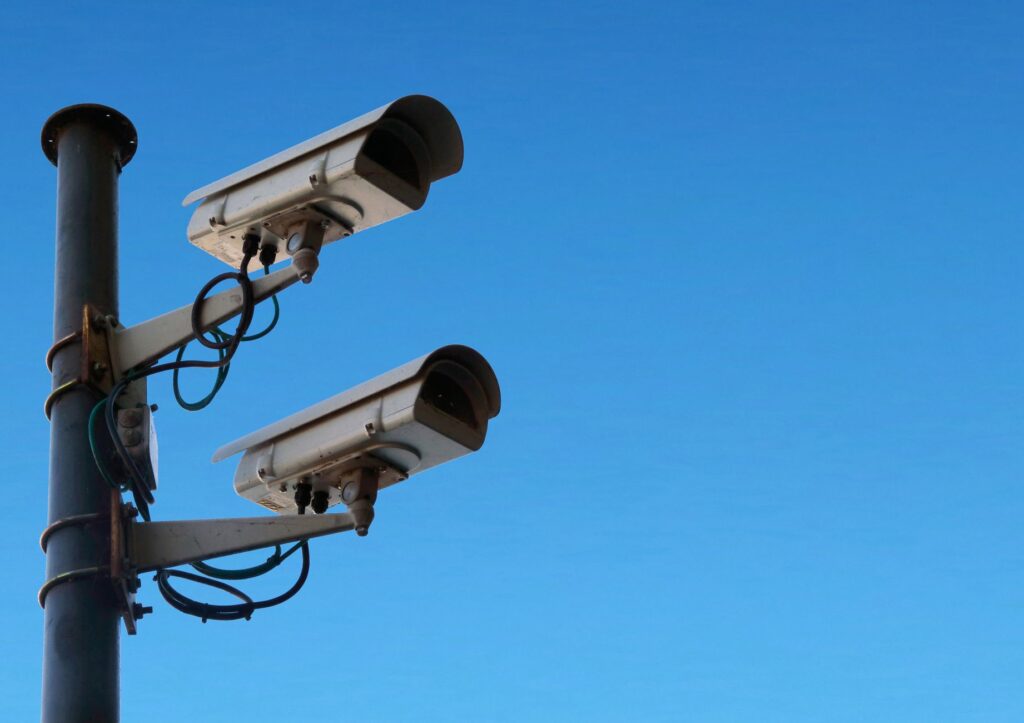
Three founders — Julius, Jago, and Nils — have built transload, a system that measures freight dimensions using the security cameras already mounted in LTL terminals. Their insight is simple: every shipment already passes through the dock, and every dock already has CCTV, so the measurement should happen in the normal flow of work rather than at a dedicated dimensioning station. Their demo lives at hn.transload.io, and their technical bet rests on recent advances in monocular metric depth estimation — models like MapAnything and MoGe that recover 3D structure from ordinary camera footage without LiDAR.
For a small trucking operator or cross-dock owner, this targets a real leak. Dimensions drive LTL pricing, freight classification, and trailer fill. When a shipper under-reports size, the carrier charges too little and still surrenders the same cube. The textbook fix — measure everything — collides with terminal reality: dimensioning stations add forklift travel, create congestion, and slow the dock, so most terminals sample instead. Sampling means most mis-declared freight sails through unbilled. A system that measures every pallet without touching the workflow converts a chronic revenue leak into recovered margin.
What is genuinely new is not the camera but the calibration discipline. Fixed cameras, repeated workflows, barcode scan timestamps, and known layouts give the depth models anchors that generic video lacks. The founders also deserve credit for a pivot done right: they started with forklift-route optimization, spoke with more than 50 trucking companies, and followed the pain to dimensions. That is how vertical AI should be built. We are mildly skeptical of one thing the post glosses over: depth-from-video accuracy in a working terminal, with dust, occlusion, odd-shaped freight, and forklifts blocking the view, is harder than a demo suggests. Calibration drift and edge cases will decide whether carriers trust the numbers.
The second-order effects cut in both directions. If carriers catch mis-declared dimensions automatically, shippers — including small manufacturers who rely on LTL — will see more re-bills and reclassifications, and some will dispute them. That raises the bar for dispute evidence: carriers will need to show the measurement, the timestamp, and the barcode link. Terminals that adopt early gain a pricing edge; those that wait may find their freight quoted against competitors who measure everything. Downstream, better dimensional data feeds trailer-utilization software, so the payoff compounds beyond billing.
Watch two things. First, accuracy claims under real terminal conditions — ask for error rates on odd shapes and partial occlusion, not just clean pallets. Second, integration: does the measurement flow into the carrier's rating and billing system, or does it sit in another dashboard? If you run an LTL terminal, the practical step is cheap: pull your last quarter's revenue adjustments and re-weigh or re-measure fees, then estimate what full-coverage measurement would have recovered. That number tells you whether a pilot is worth your dock's time.
“Nearly every warehouse already has CCTV.” — Hacker News (front page)
Takeaway: Audit last quarter's revenue adjustments from mis-declared freight; that recovered-revenue estimate is your business case for camera-based dimensioning.
Excerpt from the original — Hacker News (front page)
Hi HN — we’re Julius, Jago, and Nils, and we’re building transload (transload.io).transload helps LTL trucking companies measure freight dimensions using the security cameras already installed in their terminals. Instead of sending shipments through a dedicated dimensioning station, we measure them automatically as they move through the normal dock workflow.We’ve put together a small HN-specific demo site here: https://hn.transload.io/In LTL trucking, dimensions matter because they affect pricing, freight classification, and trailer utilization. If a shipment is larger than the shipper reported, the carrier may undercharge for it while still giving up the same amount of trailer space. The obvious fix is to measure every shipment, but that is surprisingly hard in a busy freight terminal. Dedicated dimensioning systems work for freight that passes through them, but they can add forklift …