
UpTrajectory Review
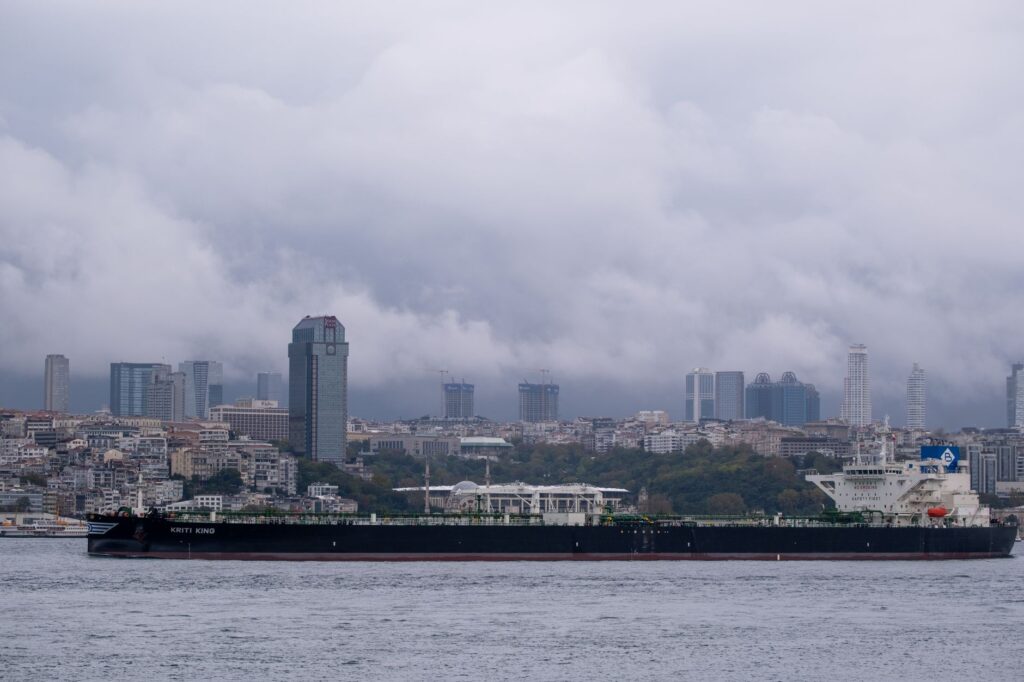
U.S. crude oil prices dropped roughly 5 percent on Wednesday following reports that Iran may restore shipping traffic through the Strait of Hormuz under a framework agreement with the United States. The Strait of Hormuz is the world's most critical oil chokepoint, accounting for roughly one-third of all seaborne petroleum trade. Any disruption to traffic through this passage historically triggers immediate price spikes because markets fear supply constraints. Conversely, restored flow signals relief from that risk and permits prices to fall.
For a small-business operator—especially one in transportation, manufacturing, or hospitality—fuel costs directly affect your bottom line. A 5 percent drop in crude translates to lower diesel and gasoline prices at the pump within days or weeks, easing operating expenses. Service businesses that rely on vehicle fleets, delivery networks, or equipment hauling feel this relief acutely. Even retail and restaurant owners benefit indirectly through reduced logistics costs passed along the supply chain. This single news item can mean measurable savings across your P&L if the agreement holds.
The source reports the price movement and attributes it to the Iran deal framework, but offers minimal detail on the agreement's terms, timeline, or likelihood of implementation. CNBC does not specify whether the deal is finalized, pending Senate approval, or still in negotiation. The phrase 'framework deal' typically signals an outline rather than a binding accord. The original text also does not clarify how long Iran's traffic restoration might take or whether sanctions relief is contingent. These gaps matter because oil markets are sensitive to the gap between announcement and execution; a stalled or failed deal could reverse the gain quickly.
The second-order effect hinges on geopolitical stability and market confidence. If this agreement dissolves or stalls in Congress, crude prices could spike back up, erasing today's gain and introducing volatility that makes budgeting harder for operators. Energy-intensive industries—trucking, logistics, construction—face margin pressure if prices whipsaw. Conversely, if the deal survives and Hormuz traffic truly normalizes, sustained lower fuel costs give operators room to invest, hire, or reduce debt. The real winner is predictability; the real risk is broken promises.
Small-business operators should monitor two things next: the actual timeline for Hormuz traffic to resume (watch for weekly shipping data and OPEC statements) and any legislative hurdles in the U.S. that could derail the framework. Lock in fuel costs now if you have contracts or hedges expiring soon; don't assume the drop lasts. Call your fuel supplier and ask whether they're passing the savings through immediately or waiting. If your business operates on thin margins, a 5 percent fuel cost drop is real money—claim it now rather than assume it's permanent.
“U.S. crude oil prices fell about 5% Wednesday on a report Iran would restore traffic through the Strait of Hormuz” — CNBC Top News
Takeaway: Lock in lower fuel prices now; monitor whether the Iran deal actually restores Hormuz traffic or stalls.
Excerpt from the original — CNBC Top News
U.S. crude oil prices fell about 5% Wednesday on a report Iran would restore traffic through the Strait of Hormuz as part of a framework deal with the U.S.