
UpTrajectory Review
Bret Thorn argues that the beverage category has outgrown its original job. Drinks no longer compete on thirst relief alone; they now carry visual theater, functional promises, and a feeling of belonging. A latte arrives camera-ready. A canned adaptogen signals calm or focus. A regional soda whispers that the drinker knows something outsiders miss. Thorn treats these as purchase triggers, not garnish. The piece reads as a category briefing for operators who still think of beverages as a margin afterthought rather than a primary draw.
For an independent operator, this shift carries hard math. Beverages often deliver the highest gross margin on the menu, yet many owners give them the least attention. If customers now choose drinks for identity and effect, a static list of national brands leaves money on the table. A coffee shop that rotates a visually striking seasonal special can lift ticket size without adding kitchen labor. A bar that stocks a local kombucha or a functional sparkling water gives non-drinkers a reason to stay longer. The drink becomes a low-cost, high-return tool for differentiation.
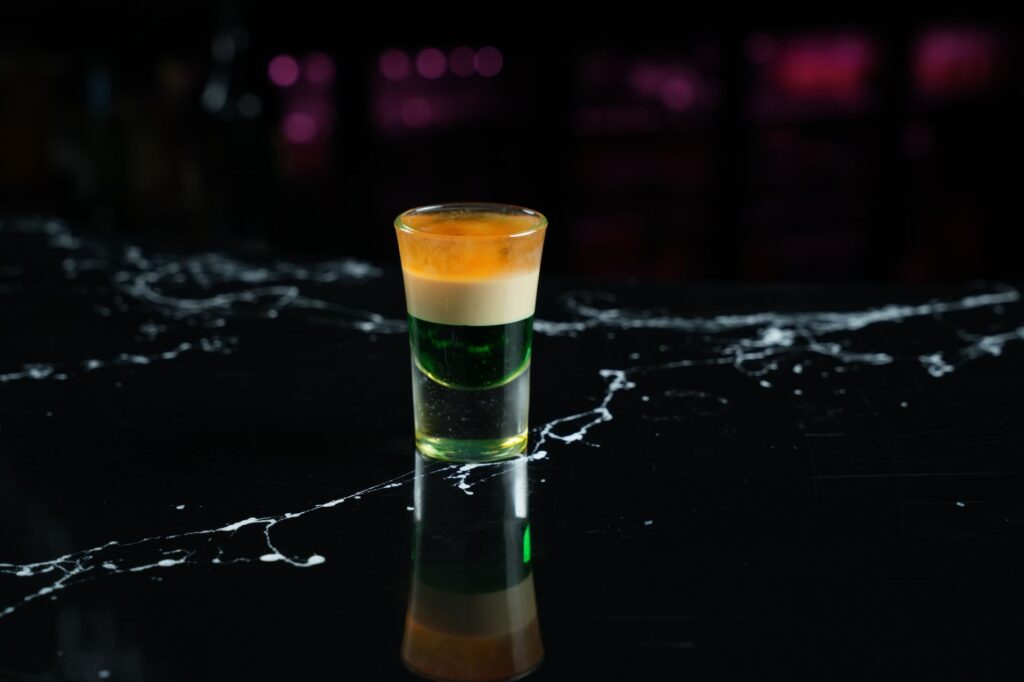
Thorn's strongest point is that connection now rivals flavor. Consumers buy beverages that signal tribal membership, whether that means a small-batch tonic from a nearby producer or a viral color-changing lemonade shared on social feeds. We agree with his skepticism toward empty novelty. A drink that photographs well but tastes flat dies after one visit. The durable play pairs spectacle with substance: a butterfly-pea tea that shifts color and delivers a distinct herbal profile, or a house shrub that balances acidity and nostalgia. Visual appeal opens the door; flavor and function earn the repeat visit.
The tension sits between authenticity and speed. Large chains can engineer a functional beverage in a lab and scale it across thousands of stores. Independent operators lack that R&D budget, yet they hold an advantage in local sourcing and personal storytelling. A diner that names its house soda after a neighborhood landmark creates a bond no national brand can copy. The risk is chasing every trend. Stocking adaptogens, nootropics, and probiotic sodas all at once confuses the menu and strains shelf space. Operators should pick one lane that fits their concept and execute it with discipline.
Watch how suppliers respond. Distributors now bundle functional ingredients and pre-mixed bases aimed at independents, which lowers the barrier to entry but flattens differentiation. If every café on the block pours the same canned lavender latte, the advantage vanishes. Operators should audit their current beverage program against Thorn's three tests: does it look distinct, does it promise a tangible effect, does it root the customer in a community. If a drink fails all three, cut it. If it passes one, build a story around it and train staff to tell that story at the counter.
“Visual appeal, functional elements, and even a sense of connection are part of consumers’ decision-making process.” — Nation's Restaurant News
Takeaway: Audit your beverage menu for visual distinctness, functional promise, and local roots; cut what fails all three and build a story around what passes.
Excerpt from the original — Nation's Restaurant News
Visual appeal, functional elements, and even a sense of connection are part of consumers’ decision-making process.